
Unravelling Financial Management
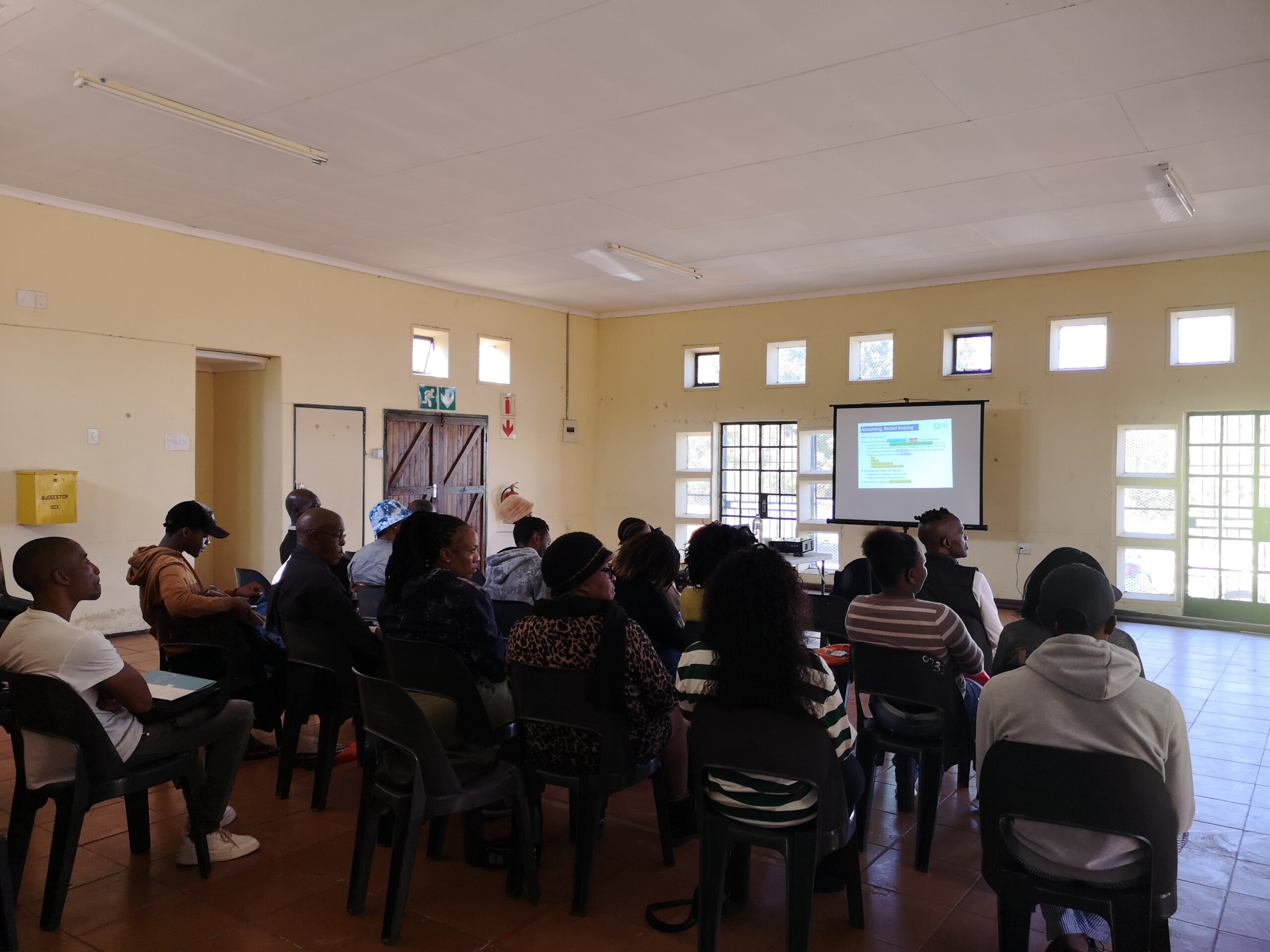
The financial management workshop for startup entrepreneurs shone a light on the significant aspects of business finance that every entrepreneur should grasp. The session, brimming with practical insights and case studies drawn from Kasi, helped attendees appreciate the importance of financial management and its role in startup success.
One of the most underscored points was the absolute importance of record keeping. It was emphasised that meticulous bookkeeping and accounting are not optional; they are the lifeblood of a business. Keeping accurate financial records provides a crystal-clear picture of the business’s financial health, guiding decision-making and strategy formulation. It’s the difference between steering your business blindly or with a well-lit path.
The workshop took the time to distinguish between accounting and financial management. While the two are often used interchangeably, they serve different purposes. Accounting, which involves recording and reporting financial transactions, provides a historical snapshot of a business’s finances. On the other hand, financial management is forward-looking. It involves planning, directing, and controlling financial resources to achieve business objectives. Understanding this difference allows entrepreneurs to utilise each function effectively for sustainable growth.
A highlight of the workshop was the introduction to spreadsheeting. Participants were walked through a product costing case study that involved a street vendor selling premium coffee outside a local clinic. This hands-on experience demonstrated how spreadsheets can be used to track costs, analyse profitability, and forecast financial performance, even for micro-businesses. It served as a powerful reminder that financial management tools are not reserved for large corporations; they are equally critical for small businesses.
The exercise further unveiled the importance of building a budget and developing a simple financial model for the business. The participants saw firsthand how such a model could provide much-needed insight into the financial dynamics of their ventures, even small survivalist undertakings. The budgeting process can illuminate the profitability of different products, services, or marketing channels, enabling entrepreneurs to make informed decisions about where to invest resources.
In anticipation of next week’s class, where a budget and cashflow model will be developed in real time, participants were given a primer on financial statements. Learning how to read an income statement, balance sheet, and cash flow statement is a must for every entrepreneur.
With everybody “formalising their business” by registering a private company to access government funding opportunities and tenders, the preparation of financial statements is a requirement for participation in all of these developmental programmes.
In conclusion, this workshop laid a robust foundation for understanding the intricacies of financial management. It has equipped participants with critical financial skills and knowledge that will undoubtedly serve as a catalyst for their entrepreneurial success. As we gear up for next week’s hands-on budgeting and cash flow modelling session, we remain committed to providing practical financial management training for our startup entrepreneurs, one session at a time.


