

Family, Friends, and Fools – Kazi’s Go to Source of Funding
Day 5 opened with perhaps the most underrated of skills in Kasi – that of selling.
It’s the sales professional that converts the promise conveyed in the marketing message into a decision to purchase whatever is on offer. No sale, no customer. Like all things KiPiDi, selling is a process that can be learned, a skill that must be developed by all entrepreneurs if they are to acquire that first paying customer.
Sales is a process
Two well known selling techniques were discussed.
The AIDA model of selling, customer-focused approach that guides potential customers through the buying process. By capturing the customer’s attention, keeping them interested, creating desire, and encouraging action, sales professionals can increase their chances of success and build long-term relationships with customers.
The ABC of selling technique, an effective sales approach that helps salespeople stay focused on the ultimate goal of closing a sale. By building relationships with customers, identifying their needs, and presenting solutions that meet those needs, salespeople can increase their chances of success and build long-term relationships with customers.
Show me the money
In the context of small businesses in the startup space, the workshop was introduced to the trinity of family, friends, and fools, the three primary sources of funding that most entrepreneurs turn to when starting their businesses.
The black African extended family is an eternal source of strength, with family members and friends often willing to invest in a start-up, even if the business has not yet proven its profitability. This type of funding is typically easier to obtain, but it can also strain personal relationships if the business fails to succeed.
While fools may be willing to invest in a start-up despite knowing the high risk involved, they may not necessarily be foolish, even though they are taking a considerable risk by investing in an unproven business. The class recognized they are backing the entrepreneur whom they hope is not a fool!
The trinity was then matched to the primary types of funding for startups being equity, debt, and grant funding. Each has its advantages and disadvantages with the class debating the merits thereof.
Financial mismanagement!
Getting that first paying customer is what KiPiDi is all about. In the absence of paying customers there’s not much to record. Nevertheless, the door to the world of accounting and financial management, planning is perhaps a better word, has to be opened early on in the startup process.
The class was introduced to the power of spreadsheeting. Google Sheets are a free resource that all entrepreneurs from Kazi should familiarise themselves with. Whether for a budget, cash flow forecast, summary income statement & balance sheet – there’s no excuse.
The power of the spreadsheet was demonstrated by developing a product costing sheet for Lerato’s khota business, demonstrating how to identify and account for all direct and indirect input costs. You might not be making the profit you thought you were making!
Formalise
Last on the agenda was the importance of formalising the business. Incorporating via CIPC, tax compliance, and opening a business bank account are all required if funding beyond family, friends and fools is to be accessed.

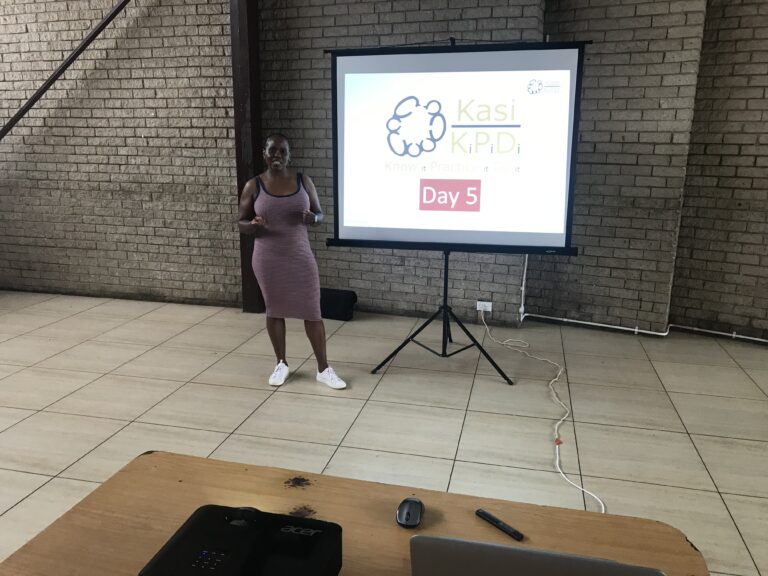
In closing the class also benefited from a presentation by Given Seakatsie, from the FNB Consumer Education Unit, covering financial literacy and reinforcing the need to formalise and build the financial planning and management skills the entrepreneur requires.
Next week, competition day!


