
The Canvas may be Lean but not the Ideas
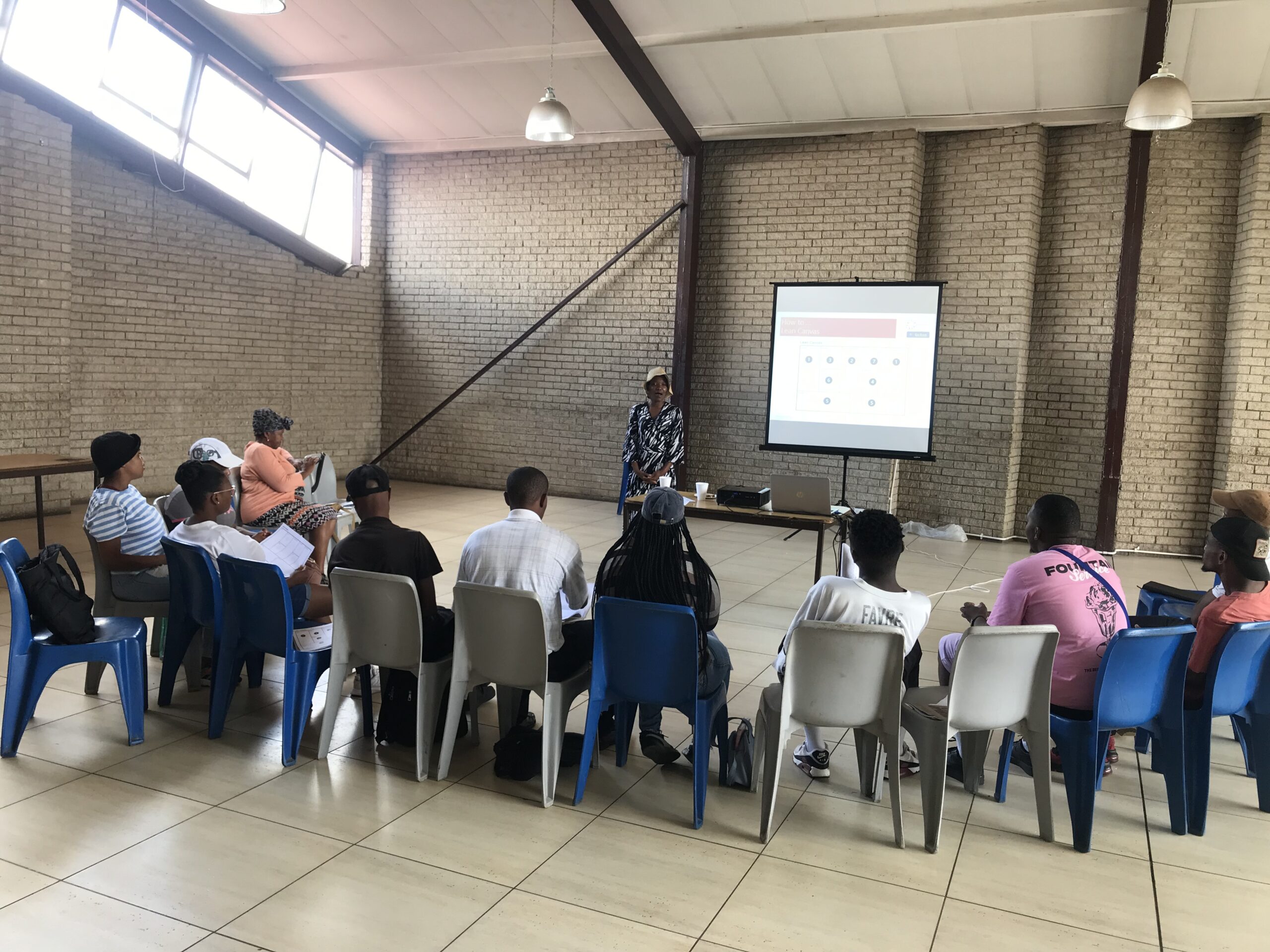
It’s now week three and the class has grown in confidence. No longer reluctant to stand up in front of their peers and present their ideas, each class member is given an opportunity to take the podium, present their homework, and field the many questions from the floor.
There’s no escaping the fundamental questions – “what’s the problem you identified, whose problem is it, and what’s the solution?”. Questions that apply equally to an app startup or a Kasi copycat business.
Personal growth is the name of the game
Question time is no longer seen as a personal attack meant to belittle the presenter in front of the class, but an opportunity to hone one’s presentation skills. There’s no place for a bruised ego in front of a panel of investors when you’re pitching for funding.
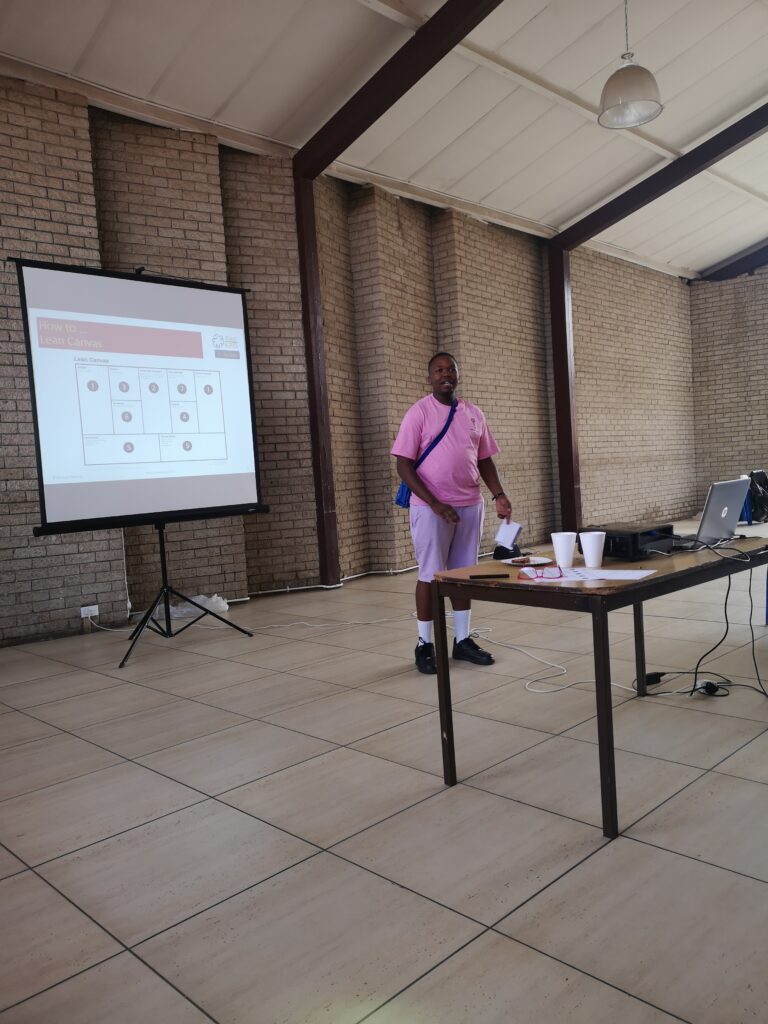
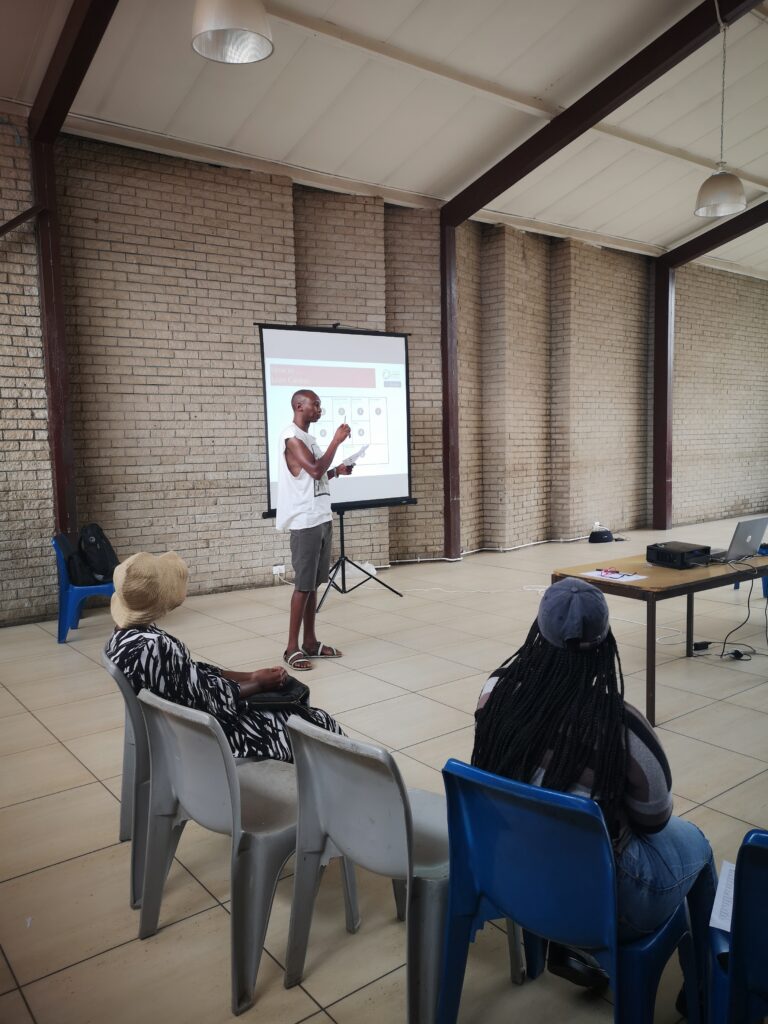
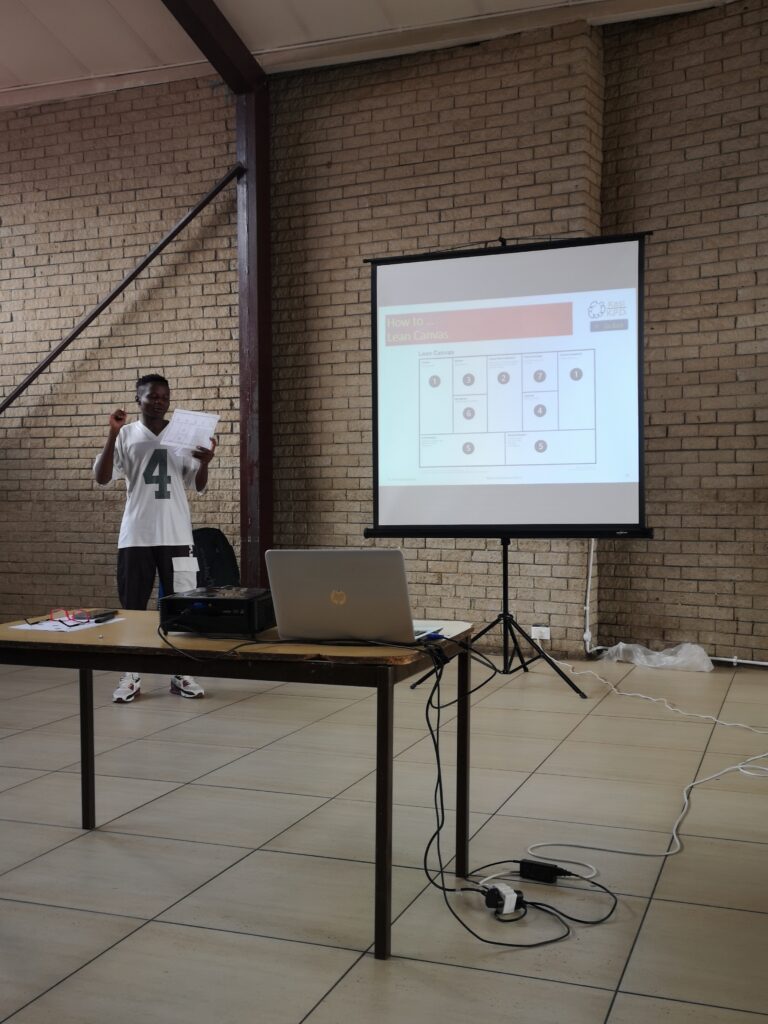
After short listing their business ideas using the evaluation board the KiPIDi Warriors were introduced to the Lean Canvas as a tool to model their business idea in greater detail.
A brief journey into the theory behind the Lean Canvas was followed by group work. The class was divided into two groups and the business ideas developed in class the previous week were modelled before breaking for tea.
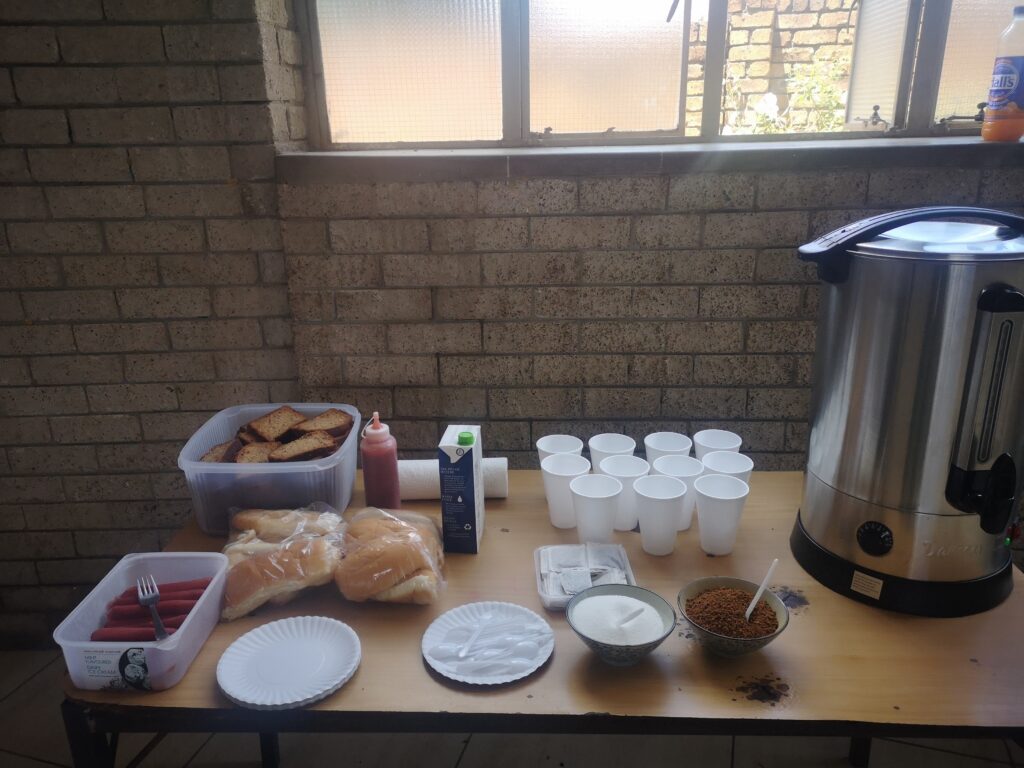
What’s a workshop without a tea break?
An app for listing rooms in Kasi was first up, recognizing the need for a property listing that focused on the growing demand for accommodation, specifically backyard rooms in Kasi. The second group explored the need for an online app based learning platform catering to the needs of entrepreneurs in Kasi.
Needless to say the debate around both ideas was intense.
More importantly it was evident from the quality of the debate that the class had upped their game. The concepts introduced by KiPIDi are beginning to take hold both in the language used and how topics are analysed and discussed.
Just do it!
It’s a start.
It’s time we recognized that living in Kasi doesn’t mean a person is disabled intellectually and incapable of understanding and applying the start up tools business schools teach their students. Those living in Kasi need an opportunity to acquire this knowledge and the attendant skills in a format that is accessible in Kasi.
That’s where KiPIDi is located. Not in ivory towers accessible by a privileged few, but in Kasi where the majority of South Africans live.
Next week, marketing!


