
Bookkeeping and Accounting are not Discretionary
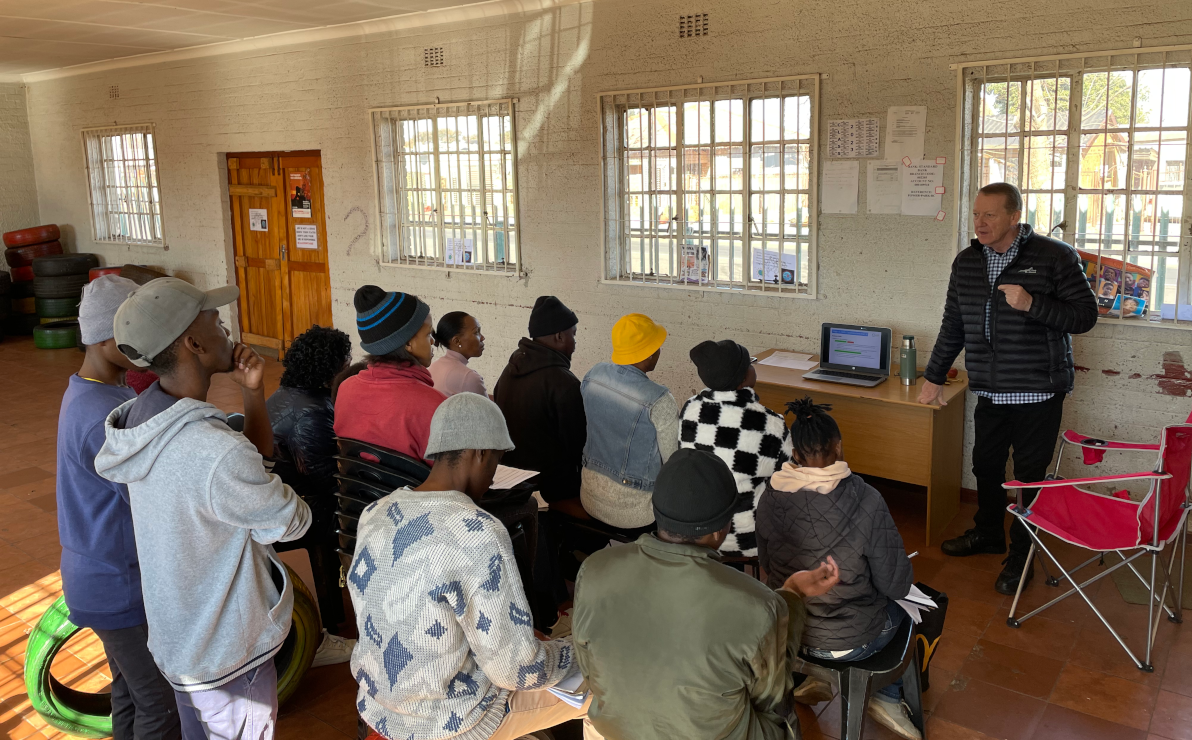
The financial management workshop tailored for startup entrepreneurs offered a comprehensive exploration of pivotal facets within business finance, essential for every aspiring businessperson to master. This session was replete with pragmatic insights and illustrative case studies culled from Kasi, affording participants a heightened recognition of the pivotal role financial management plays in the triumph of startups.
A emphasis was placed on the absolute imperative of diligent record-keeping. It was underscored that meticulous bookkeeping and accounting are not discretionary endeavours; they constitute the lifeblood of any enterprise. Maintaining precise financial records affords a lucid overview of the financial well-being of the business, thereby informing decision-making and the formulation of strategic initiatives. It delineates the distinction between steering one’s enterprise in obscurity or along a well-illuminated trajectory.
The workshop highlighted the disparity between accounting and financial management. Though frequently employed interchangeably, they serve distinct objectives. Accounting, entailing the recording and reporting of financial transactions, furnishes a retrospective snapshot of a business’s financial standing. Conversely, financial management is forward-facing, encompassing the planning, direction, and oversight of financial resources in pursuit of business objectives. Discerning this demarcation enables entrepreneurs to effectively harness each function, fostering sustainable growth.
A notable feature of the workshop was the introduction to spread sheeting. Participants were guided through a case study centered on product costing, featuring a street vendor vending premium coffee outside a local clinic. This hands-on exercise vividly illustrated how spreadsheets can be leveraged to monitor costs, scrutinize profitability, and prognosticate financial performance, even for micro-enterprises. It served as a potent reminder that tools for financial management are not exclusive to large corporations; they are equally indispensable for small-scale enterprises.
The exercise further brought to light the significance of crafting a budget and formulating a rudimentary financial model for the business. Participants directly observed how such a model could yield invaluable insights into the financial dynamics of their endeavours, even for modest, survival-oriented undertakings. The budgeting process can elucidate the profitability of various products, services, or marketing channels, empowering entrepreneurs to make judicious determinations regarding resource allocation.
In summary, this workshop has furnished attendees with a solid grounding in the complexities of financial management, providing them with invaluable skills and insights crucial for entrepreneurial success. As we approach next week’s hands-on budgeting and cash flow modelling session, we remain steadfast in our dedication to offering practical financial management training to our startup entrepreneurs. With each session, we strive to empower them to navigate the financial landscape with confidence and precision, ultimately contributing to the growth and prosperity of their ventures.


